
Choosing a nursery is one of the first big decisions parents make. It is not only about location, opening hours or a warm classroom. It is also about the kind of world your child will begin to discover every day.
For many families, the benefits of a bilingual nursery in London go far beyond learning a few words in another language. A bilingual early years setting can support communication, confidence, cultural awareness and flexible thinking from a young age.
In a city as diverse as London, children grow up hearing different accents, languages and traditions all around them. A bilingual nursery turns that natural diversity into a meaningful part of everyday learning.
What is a bilingual nursery?
A bilingual nursery is an early years setting where children are gently exposed to two languages as part of their daily routine. This may happen through songs, stories, greetings, play, mealtimes, group activities and simple conversations with staff.
The goal is not to pressure children into speaking perfectly. In fact, the best bilingual nurseries make language feel natural, warm and playful. Children absorb sounds, phrases and meanings gradually, much as they learn their first language at home.
In a Spanish-English nursery, for example, a child may hear instructions in English during one activity and Spanish during a song or story. Over time, this creates familiarity. The second language becomes part of the child’s environment, not a formal lesson.
Parents who want to understand how this works in practice can explore Number 1 Daycare’s dedicated page on Bilingual Nursery in London, which explains how a bilingual approach can support children in a real nursery setting.
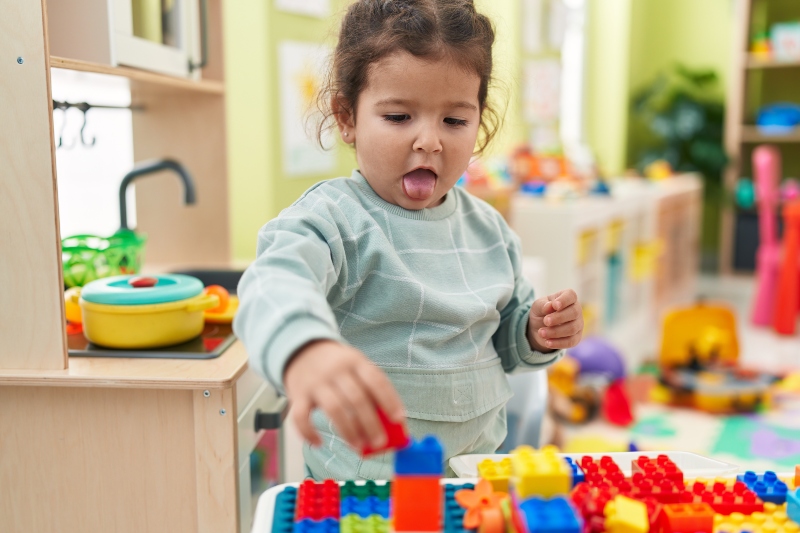
Cognitive benefits of a bilingual nursery in London
One of the most valued nursery language benefits is the way bilingual exposure can encourage flexible thinking. When children hear and use two languages, they begin to understand that one idea can be expressed in different ways.
This can support memory, attention and problem-solving. A child may learn that “water” and “agua” refer to the same thing, or that different people may use different words to ask for the same object. These small daily moments help the brain make connections.
Early bilingual education also encourages children to listen carefully. They pay attention to tone, facial expressions, rhythm and context. Even before they can answer in both languages, they are often learning how communication works.
This kind of learning is especially powerful in early childhood because young children are naturally curious. They do not usually see a second language as difficult or unusual. They experience it as part of play, music, stories and relationships.
Social and emotional benefits
The benefits of a bilingual nursery in London are not only academic. They are deeply social and emotional too.
Children in bilingual settings are often exposed to different cultures, celebrations, foods, songs and family traditions. This helps them understand that people may live, speak and express themselves in different ways — and that those differences are normal and valuable.
For children from bilingual or multilingual homes, this can be especially reassuring. Hearing a home language in nursery can help them feel seen and included. It can also strengthen the connection between family life and nursery life.
For children who speak only English at home, bilingual nursery offers a gentle introduction to cultural openness. They learn to enjoy another language without fear or pressure. This can build confidence, empathy and curiosity about the wider world.
Many modern parents are now looking for nurseries that reflect London’s multicultural identity. This article on Why Choose a Spanish-English Nursery in London? A Modern Parent’s Perspective explores why Spanish-English childcare can feel like a natural fit for families raising children in the capital.
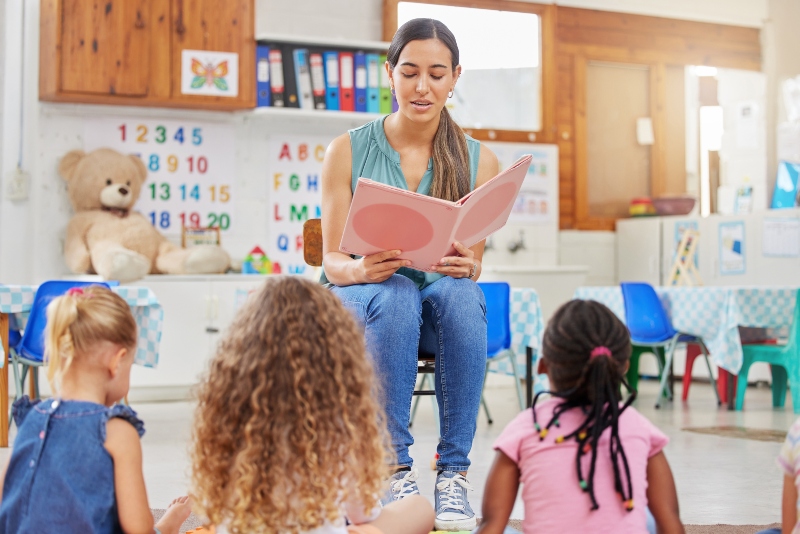
Why early exposure matters in bilingual child development
Early childhood is a unique stage for language learning. Young children are still developing their listening, pronunciation and communication skills, which makes this an ideal time for regular exposure to more than one language.
Bilingual child development does not mean that every child will speak two languages fluently by age three or four. Development varies from child to child. Some children may understand more than they say. Others may mix words from both languages for a while. This is often a normal part of the learning process.
What matters most is consistency, encouragement and a positive emotional connection. A child who hears a second language through songs, games and caring interactions is more likely to associate that language with safety and enjoyment.
This is why nursery can be such a helpful environment. Children are not sitting through formal language lessons. They are learning through movement, storytelling, repetition and friendship. Language becomes part of everyday life.
For families also thinking about childcare affordability, it may be useful to read this guide on Free Childcare for 2-Year-Olds in London: Eligibility Guide Every Parent Should Know, especially if you are planning ahead before choosing a nursery place.
What parents should look for
Not every bilingual setting works in the same way. When choosing a nursery, parents should look beyond the promise of “two languages” and ask how bilingual learning is actually included in the day.
A strong nursery should use both languages naturally and consistently. Staff should be warm, patient and confident in helping children understand through gestures, repetition, visual support and play.
It is also important to look at the wider nursery environment. Are children relaxed? Do they seem engaged? Are books, songs and activities varied? Do staff respect each child’s pace?
Parents may want to ask questions such as:
- How are both languages used during the day?
- Will my child be pressured to speak the second language?
- How do staff support children who are shy or still developing speech?
- Are songs, stories and cultural activities included?
- How do you communicate progress with parents?
A good bilingual nursery should never make language feel stressful. It should feel like an open door: a chance for children to listen, explore, repeat and grow in confidence.
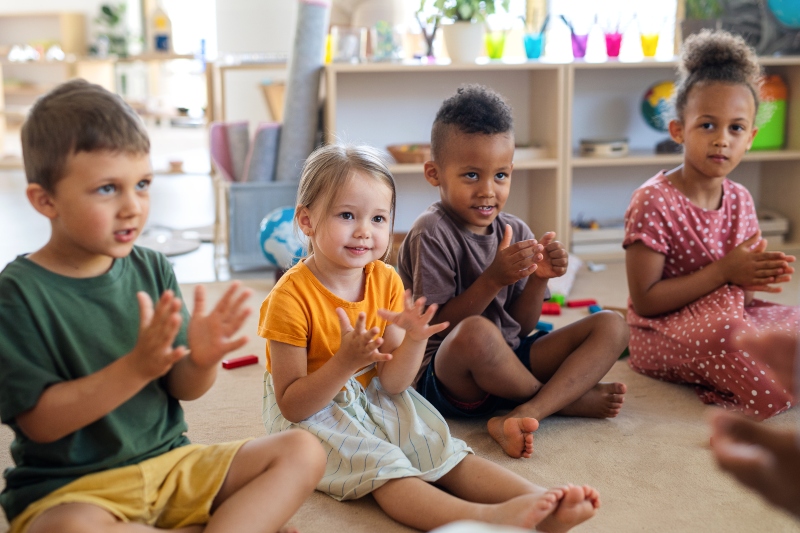
FAQs about the benefits of a bilingual nursery in London
What are the main benefits of a bilingual nursery in London?
The main benefits include early language exposure, stronger listening skills, cultural awareness, confidence, social openness and flexible thinking. Children also become familiar with different sounds and ways of communicating from a young age.
Will bilingual nursery confuse my child?
Most children adapt well when languages are introduced naturally and consistently. Some may mix words at first, but this is usually part of the learning process rather than a sign of confusion.
Does my child need to speak another language before joining?
No. Many children begin with no previous knowledge of the second language. A good nursery will introduce language gently through play, songs, stories and daily routines.
Is early bilingual education only useful for bilingual families?
No. It can benefit children from both bilingual and monolingual homes. For bilingual families, it may support identity and home language connection. For monolingual families, it introduces children to new sounds, cultures and communication skills.
How soon will my child start speaking the second language?
Every child is different. Some children begin using words quickly, while others spend more time listening before speaking. Understanding often develops before spoken confidence.
Final thoughts
The benefits of a bilingual nursery in London reach far beyond vocabulary. In the right environment, children learn to listen, connect, adapt and appreciate the world around them.
A bilingual nursery can give children a gentle foundation for language learning, but also something deeper: confidence in diversity. In a city like London, that is a valuable start.
For parents looking for a nursery that supports communication, curiosity and emotional development, bilingual childcare can be a meaningful choice. With the right team, the right atmosphere and a child-centred approach, early bilingual education becomes part of a happy, natural and enriching early years experience.