
Choosing a nursery is not simply about finding the nearest place. Parents are also choosing the people, routines and atmosphere that will shape a large part of their child’s week. When two languages are involved, there is another question: is the setting genuinely bilingual, or does it only add a few songs and greetings in a second language?
Knowing what to look for in a bilingual nursery in London helps families move beyond attractive rooms and polished brochures. A strong setting should feel warm, organised and child-centred, while using both languages naturally throughout the day.
What to Look for in a Bilingual Nursery in London: Staff and Language Quality
Start with the adults. Attentive practitioners matter more than colourful displays or promises about fluency. Notice whether staff come down to the children’s level, listen patiently and respond with warmth. Children should appear comfortable approaching them for help.
Ask how the two languages are used. Are both heard during play, stories, meals and everyday instructions, or is the second language limited to one short activity?
A genuine bilingual approach does not need to divide the day perfectly in half, but it should provide regular and meaningful exposure.
Ask who speaks each language and how beginners are supported. The answer should include gestures, repetition, visual clues and patient interaction rather than pressure to repeat words.
Parents exploring an English-Spanish setting can learn more about how language is woven into everyday experiences at Number 1 Day Care’s Bilingual Nursery in London. Its approach provides a useful reference when comparing what different providers mean by “bilingual”.
Curriculum and Play-Based Learning
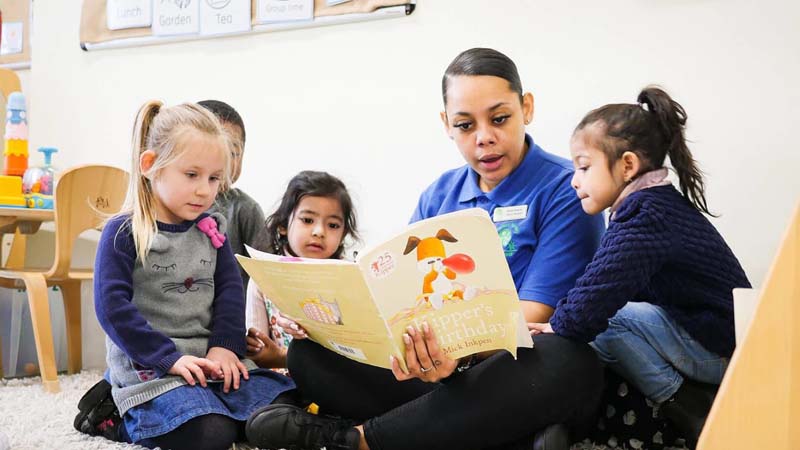
A good bilingual nursery is still, first and foremost, a good nursery. Language should enrich creativity, early maths, storytelling, movement, outdoor exploration and social play.
Ask to see how learning happens in practice. Toy animals can prompt counting and imaginative stories in both languages. Cooking can introduce actions and simple instructions. Music can help children recognise repeated phrases without feeling tested.
Look for a balance between adult-guided activities and time for children to follow their own interests. When a practitioner joins a child’s play and introduces language naturally, the words have an immediate purpose.
Children should not spend the day memorising vocabulary or being asked to perform in the second language. They need opportunities to explore, make choices and communicate within situations that feel relevant to them.
Families still deciding which model suits them may find Bilingual vs Traditional Nursery: Which Is Better for Your Child? helpful. It explores why the label matters less than the quality of care and how well the environment suits the individual child.
Safety and Routine
Your nursery checklist should include entry procedures, authorised collections, first aid, allergies, medication, nappy changing, sleep arrangements and what happens if a child becomes unwell.
In England, registered early years settings must meet the relevant Early Years Foundation Stage requirements. Ofsted also provides registration details and inspection information that parents can review before visiting.
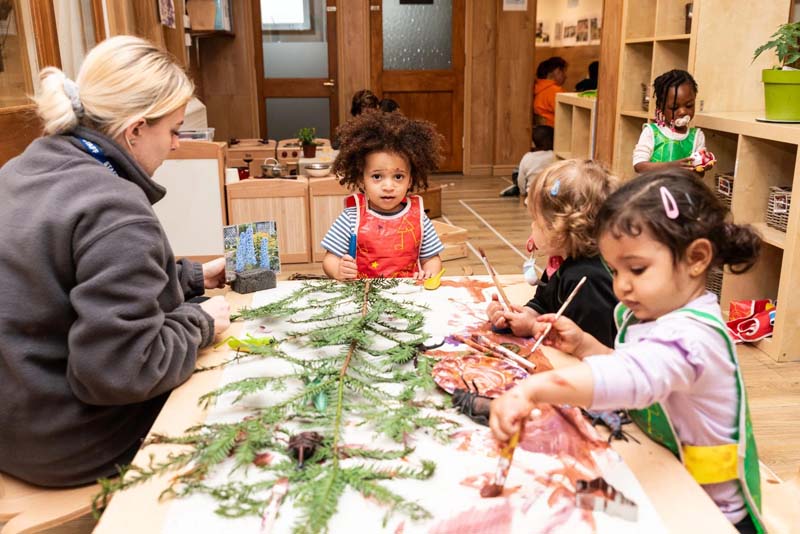
Ask what a typical day looks like and how flexible staff can be when a child needs extra rest or reassurance. Predictable periods for meals, play, sleep and outdoor activity can help children understand what comes next.
Observe the room rather than relying only on explanations. Are doors secure? Are changing and sleeping spaces supervised? Can children reach age-appropriate toys safely? Is the environment busy without feeling chaotic?
A safe nursery should feel alert and well managed, not restrictive. Children need the freedom to move, explore and make small choices within clear and consistent boundaries.
Parent Communication
Strong parent communication begins before the first day. A nursery should explain settling-in arrangements clearly and ask about your child’s routines, interests, home language, comfort objects and additional needs.
Find out how daily updates are shared. Some settings use an app, while others rely on face-to-face handovers or written notes. The format matters less than the quality of the information.
A specific detail about a new word, friendship, meal or activity helps parents understand the child’s experience more clearly than a general comment such as “They had a good day”.
In a bilingual nursery, ask how progress in both languages is discussed. Staff should distinguish between listening, understanding and speaking without treating language development as a race.
They should also welcome useful words from home, particularly phrases that comfort the child or help them express essential needs.
Parents interested in the wider developmental picture can read Benefits of a Bilingual Nursery in London for Early Childhood Development, which explores how bilingual experiences can connect with communication, confidence and cultural awareness.
Questions to Ask on Your Visit
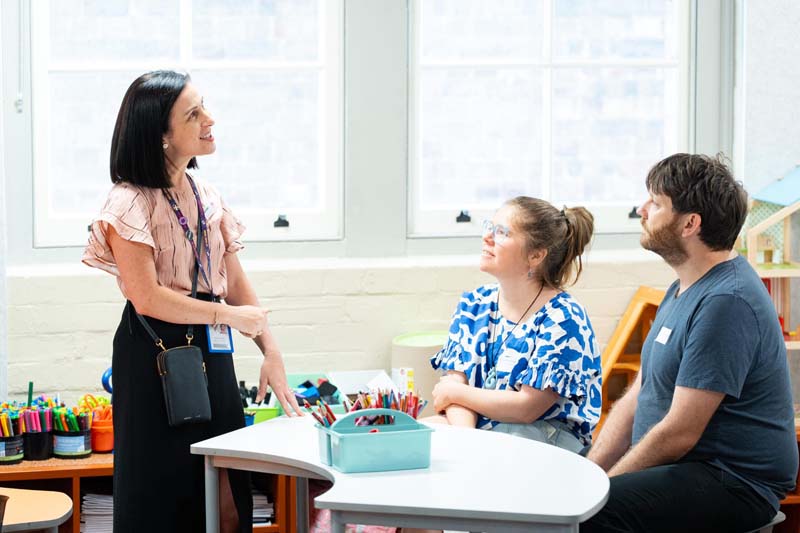
Searching for a bilingual nursery near me may produce many options, but a visit reveals what search results cannot. Take a short nursery checklist and ask questions that encourage specific answers:
● How are both languages used during an ordinary day?
● What happens when a child does not understand?
● How do you support shy children or new starters?
● Who will be my child’s key person?
● How are activities adapted to children’s interests?
● How will you share progress and wellbeing with me?
● What language experience does the team have?
Listen not only to the answers but also to how they are given. Clear examples usually reveal more than broad claims.
Notice whether children seem settled and whether staff listen, join their play and respond calmly when help is needed. These are also practical signs highlighted in local-authority guidance for parents visiting childcare settings.
Many families begin their research with phrases such as choosing a nursery London, but practical suitability cannot be judged from a search result alone.
Consider opening hours, travel time, fees, funded places, meals, holidays and notice periods. A nursery may look excellent during a visit, but it also needs to work realistically for everyday family life.
Frequently Asked Questions
How can I tell whether a nursery is genuinely bilingual?
Ask how often both languages are used, who speaks them and in which situations children hear them. Regular use during routines, play and conversation is more meaningful than occasional vocabulary sessions.
Does my child need to know the second language before starting?
No. A thoughtful setting should support beginners through gestures, repetition, pictures, songs and familiar routines. Children should be allowed to listen before they feel ready to speak.
Should both languages be used equally?
Not necessarily. Dividing every activity equally between two languages can be difficult and may feel unnatural.
What matters is consistent, purposeful exposure supported by adults who are comfortable communicating in each language.
What should I notice about the children during a visit?
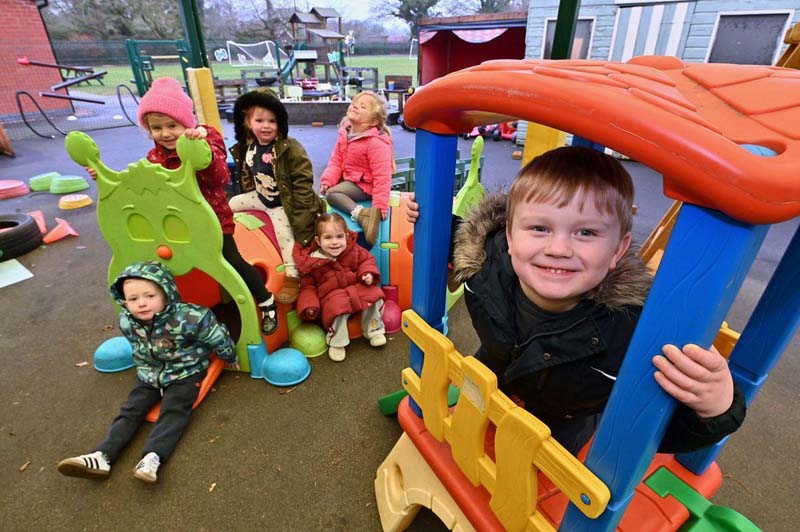
Look for children who seem settled, engaged and comfortable approaching staff. Notice whether adults listen carefully, join their play and respond warmly when they need assistance.
Should I rely on an Ofsted report alone?
No. An Ofsted report is an important source of information, but it records findings at a particular point in time.
Read it before visiting, ask what has changed since the inspection and compare the report with what you observe during the nursery day.
A Nursery Should Feel Right in Practice
Understanding what to look for in a bilingual nursery in London means combining practical evidence with parental instinct.
Check registration, staffing, safety, routines and communication, but also notice how the setting makes you and your child feel. Do staff welcome questions? Does the atmosphere feel calm? Can you imagine your child building a trusting relationship with the adults?
The right nursery will not simply promise exposure to two languages. It will show how caring practitioners use them to welcome children, enrich play and build relationships throughout an ordinary day.