
Parents often ask when should children start learning a second language, hoping there is one ideal birthday that guarantees success. In reality, there is no single cut-off point. Children can begin from birth, during the toddler years or later and still make meaningful progress.
What matters most is regular, enjoyable contact with the language through real people, familiar routines and playful experiences. An early start can make listening and pronunciation feel natural, but consistency and emotional connection matter just as much.
When Should Children Start Learning a Second Language? Why the Early Years Matter
The early years suit language discovery because young children learn by listening, copying and connecting words with what is happening around them. They do not need a grammar lesson to understand that “shoes”, “zapatos” and the pair by the door can refer to the same thing.
This is why early language learning works best when it feels like part of life rather than another lesson. A baby may become familiar with the rhythm of two languages. A toddler may respond to simple instructions in both. A preschooler may join in with a song before using every word independently.
Starting early gives children more time to build familiarity without pressure. Research suggests that age affects some aspects of second-language learning, although learning ability remains strong beyond early childhood. An early start is therefore an opportunity, not a deadline. th to two, songs, greetings and repeated phrases build familiarity. Between two and four, play helps children attach words to actions and objects. From four onwards, stories and friendships give the second language greater social meaning.
How Children Absorb Language
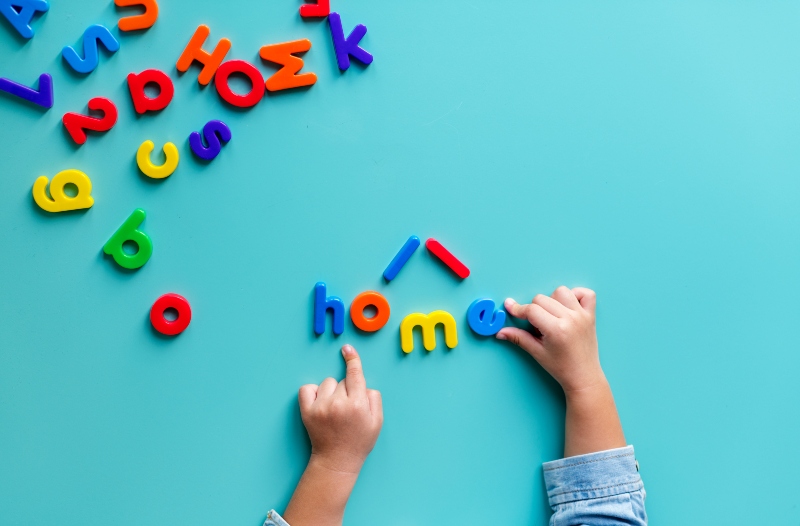
Children learn through meaningful repetition. Hearing the same phrase while washing hands, putting on a coat or tidying toys gives words a purpose. Gestures, facial expressions and tone provide extra clues.
For bilingual toddlers, understanding often develops before speaking. A child may follow a request in Spanish but answer in English, or use whichever word comes to mind first. This does not mean the languages are muddled. It shows that the child is drawing from a growing communication system.
Vocabulary should also be considered across both languages. A bilingual child may know some words only in one language and others in the second. Looking at one language alone can underestimate what the child understands and can express. Research into Spanish-English bilingual children supports assessing vocabulary across both languages rather than relying only on a single-language score. d programmes may support familiarity, but conversation is more powerful because another person responds, repeats, adjusts their language and shares attention with the child.
Myths About Bilingualism
One common myth is that two languages confuse young children. In fact, children can notice differences between languages and gradually learn when, where and with whom each one is used.
Another misconception is that bilingualism automatically causes speech delay. Children develop at different rates, whether they hear one language or several. Learning two languages does not remove the need to monitor ordinary developmental milestones, and genuine concerns should not be dismissed as “normal for bilingual children”. anguages is not a sign of failure either. Switching between words can be a normal part of bilingual communication, especially when a child knows a word in one language but has not yet learnt it in the other. Studies describe code-switching as a common pattern that can appear early in bilingual language development. also do not need to create perfectly equal exposure. A child may understand one language more strongly, speak another more often and change preferences as home life, nursery and friendships evolve.
What Parents Can Do at Home
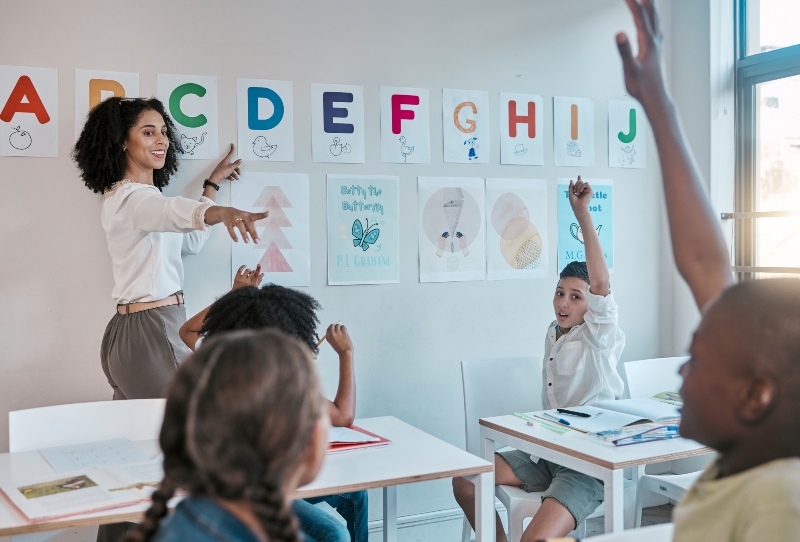
Supporting child language development does not require turning the living room into a classroom. Small, repeatable habits are usually more effective than occasional intensive sessions.
● Choose a routine you can maintain, such as using one language at breakfast or during bedtime.
● Read favourite books repeatedly so your child can predict phrases and join in.
● Use songs with actions to make new words easier to understand.
● Respond to meaning instead of constantly correcting pronunciation.
● Connect the language with relatives, food, stories, celebrations and everyday experiences.
Parents should use the language in which they can speak warmly and naturally. Rich conversation in a parent’s strongest language supports communication better than limited speech chosen only because another language seems more prestigious.
There is also no need to test children after every activity. Asking them to repeat words on demand can make the language feel like a performance. Instead, create opportunities for them to respond naturally, even if that response is a gesture, a smile or a word in their other language.
The Role of Nursery Environments
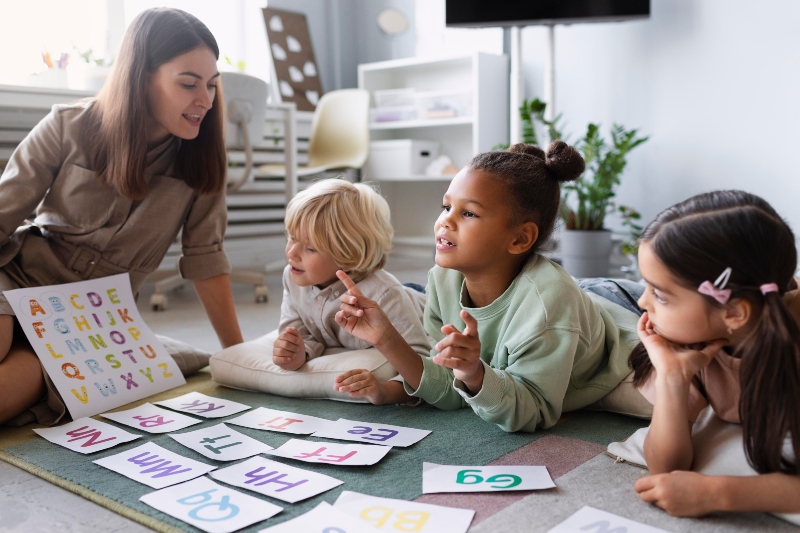
A well-designed bilingual nursery offers regular language use with adults and children across many activities. The language appears during play, stories, meals and outdoor exploration, so it becomes practical rather than abstract.
Families seeking a setting where English and Spanish are woven into daily routines can explore Number 1 Day Care’s Bilingual Nursery in London, where children encounter both languages through play, music, creativity and everyday interaction. setting is not defined by the word “bilingual” alone. Parents should consider relationships, staff experience, safeguarding, routines and how naturally both languages are used. The guide Bilingual vs Traditional Nursery: Which Is Better for Your Child? helps families compare the two approaches without assuming that one answer suits everyone.
It is also worth looking beyond vocabulary. The Benefits of a Bilingual Nursery in London for Early Childhood Development include opportunities to communicate with different people, feel comfortable with cultural variety and build confidence in a diverse city.
Frequently Asked Questions
What is the best age to introduce a second language?
Children can hear a second language from birth. However, the best time is when a family can provide regular, positive and meaningful exposure. Beginning during the nursery years can still create a strong foundation.
Can a child learn a second language if the parents are not fluent?
Yes. Exposure can come through nursery, relatives, community groups, books, songs and trusted speakers. Parents can support the process by showing interest and keeping practice enjoyable.
Is “one parent, one language” necessary?
No. It is one possible approach, not a rule. Families may divide languages by person, place, activity or day. The most useful plan is one that feels natural enough to continue.
How much exposure does a child need?
There is no universal number of hours that guarantees bilingualism. Frequent, interactive exposure is more valuable than rare, pressured practice. Quality and consistency matter more than creating a perfect timetable.
Should parents worry if a bilingual child mixes languages?
Usually not. Mixing can be normal while vocabulary develops. However, concerns about communication, understanding, hearing or progress across both languages should be discussed with a health visitor, GP or qualified speech and language therapist.
A Natural Start Is Better Than a Perfect Start
So, when should children start learning a second language? As early as it can become a warm and sustainable part of their world. For some families, that begins at birth. For others, it starts at nursery or when a new language becomes part of family life.
The strongest beginning is not built on flashcards, pressure or perfectly memorised vocabulary. It grows through repeated stories, playful conversations and trusted adults who make both languages feel useful, welcoming and worth speaking.