
Confidence in the early years rarely appears as one dramatic change. It grows through small moments: when a child asks for a turn, joins a game, tells an adult what they need or tries again after being misunderstood.
A bilingual nursery adds another layer to these experiences. Children discover that communication is not about finding one perfect word. They can listen, observe, gesture, repeat and use either language to make a connection.
These everyday bilingual nursery confidence benefits can help children participate more freely, express themselves and approach unfamiliar situations with curiosity rather than fear.
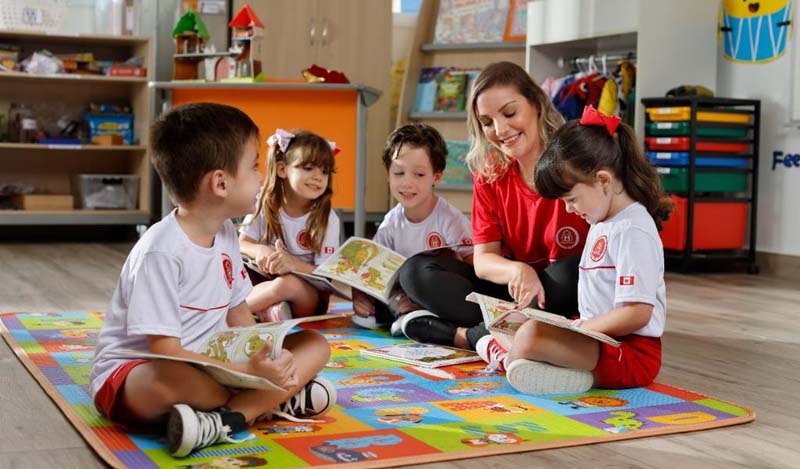
Bilingual Nursery Confidence Benefits Through Communication
A child feels more secure when they know their voice matters. In a bilingual nursery, communication can take several forms. A child might answer in English, use a familiar Spanish word, point to an object or copy a phrase heard during a song.
The adult’s response is crucial. When educators acknowledge the message rather than focusing only on accuracy, children learn that an imperfect attempt can still succeed. Communication begins to feel safe.
Over time, children may become more comfortable asking questions, making choices and speaking in front of others. These communication skills for children extend beyond vocabulary. They include listening, waiting for a response, reading facial expressions and trying another approach when someone does not immediately understand.
Instead of worrying about making a mistake, children gradually learn that they have several ways to make themselves heard.
Social Interaction in Two Languages
Play gives language a purpose. Children need words to invite someone into a game, explain an idea, negotiate over a toy or build an imaginary world together.
In a bilingual group, they also discover that friends may express the same idea differently. One child may begin a game in English, another may add a Spanish phrase, and both can follow the shared intention through context, gestures and action.
This is an important part of bilingual social development. Children are not simply collecting words in two languages; they are learning how to connect with people who may communicate differently.
That experience can reduce hesitation in new social situations. Children begin to understand that they do not need to speak in exactly the same way to play, cooperate or form a friendship.
Families comparing different nursery approaches may find Bilingual vs Traditional Nursery: Which Is Better for Your Child? useful. It considers how each type of setting can support children while helping parents think about personality, family life and individual needs.

Independence and Expression
Confidence is closely connected to independence. When children can express hunger, discomfort, excitement or a preference, they have more influence over their day.
A bilingual nursery can support this by repeating practical phrases during familiar routines. Words linked to lunch, coats, handwashing, tidying and outdoor play gradually become tools children can use for themselves.
Choice matters too. Being invited to select a book, activity or role in a game tells a child that their opinion has value.
When educators allow enough time for an answer instead of speaking on the child’s behalf, they create room for child confidence to grow.
The aim is not to make every child talkative. A quiet child can be confident too. Genuine confidence means feeling able to communicate in a way that suits the moment and knowing that help is available when needed.
It might look like asking an adult to open a container, telling another child “my turn” or pointing to the activity they would like to try next. Each successful interaction gives children evidence that they can handle more for themselves.
How Educators Support Shy Children
A shy or cautious child may spend time watching before joining an activity. In a bilingual environment, this listening period can be particularly valuable.
The child may be learning the rhythm of the room, recognising repeated phrases and deciding which adults and peers feel safe. Remaining quiet at first does not mean that they are disengaged or failing to learn.
Skilled educators do not force participation. Instead, they create gentle entry points.
A practitioner might sit beside the child during play, offer two simple choices or invite them to help with a familiar task. Songs with actions, puppets and small-group stories can also reduce the pressure to speak alone.
Consistency helps children predict what will happen next. Repeated greetings, visual cues and familiar routines provide something dependable while both languages become more familiar.
Educators can also give shy children roles that allow them to participate without becoming the centre of attention. Passing out crayons, choosing the next song or holding a story prop can create a sense of belonging before spoken confidence develops.
Parents exploring an English-Spanish setting can see how language, play and everyday interaction come together at Number 1 Day Care’s Bilingual Nursery in London. A supportive environment allows children to listen, respond and participate at their own pace.
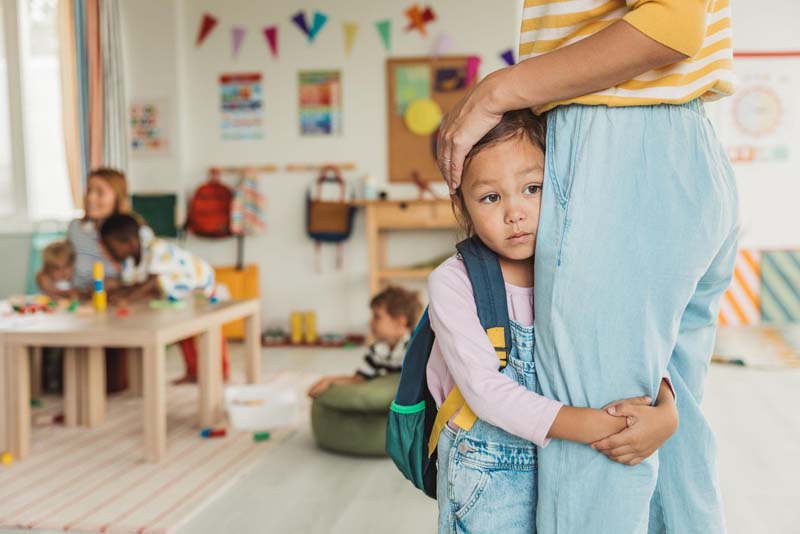
What Parents Notice: Bilingual Nursery Confidence Benefits Over Time
Progress is often easier to see in behaviour than in a list of newly learnt words.
A parent may notice their child greeting someone without prompting, singing part of a Spanish song at home or speaking more openly about the nursery day.
Other changes may be subtler. Children might recover more quickly when they cannot find a word. They may use gestures instead of giving up, watch other children for clues or try a different way to explain themselves.
These are meaningful bilingual nursery confidence benefits because they show persistence. The child is learning that a communication difficulty is something to work through, not a reason to withdraw.
Parents may also notice that their child becomes more willing to try unfamiliar activities. The confidence gained from navigating two languages can become part of a wider attitude: “I may not know how to do this yet, but I can watch, listen and have a go.”
Confidence may appear outside nursery as well. A child who is comfortable hearing two languages may approach unfamiliar people, accents and cultural experiences with greater ease.
The article Benefits of a Bilingual Nursery in London for Early Childhood Development explores more broadly how bilingual early-years experiences can support communication, cultural awareness and social openness.

Frequently Asked Questions
Can a bilingual nursery help a shy child become more confident?
It can provide valuable opportunities, but confidence should not be measured by how much a child talks. A supportive nursery helps shy children feel secure, communicate in different ways and join activities gradually.
Does a child need to speak both languages before starting?
No. Children can begin with one language, both languages or no previous knowledge of the nursery’s second language. Gestures, routines, songs, visual cues and repetition can support understanding.
What if my child answers in only one language?
That is common. Understanding often develops before spoken use, and children may prefer the language in which they currently feel most comfortable. They should still be encouraged without being pressured to translate or repeat words.
How do bilingual activities support communication skills?
Stories, songs, role play and group games give children repeated opportunities to listen, respond, take turns and express ideas. Because the language has a clear purpose, children can use it naturally instead of treating it as a formal exercise.
Will mixing languages affect my child’s confidence?
Mixing languages can be a practical way for children to communicate with the vocabulary available to them. Responding positively helps them feel understood and encourages them to continue expressing themselves.
How can parents reinforce confidence at home?
Give children time to answer, respond to the meaning of what they say and avoid turning language into a test. Shared books, familiar songs and relaxed conversations can help children revisit nursery language without pressure.
Confidence Grows When Children Feel Heard
The strongest child confidence does not come from performing perfectly in two languages. It comes from being listened to, understood and encouraged to try.
A thoughtful bilingual nursery gives children daily opportunities to make choices, form friendships, solve small communication problems and express what matters to them.
With patient adults and a welcoming group around them, children learn that their ideas deserve a place in the conversation, whichever language they use first.