
Why Nursery Rhymes Matter in Early Years
Songs as powerful educational tools from the very beginning
From the moment a baby begins to respond to sound, rhythm becomes part of their world. Long before children can read or write, they can clap, hum and repeat simple melodies. This is precisely why Why Nursery Rhymes Are Important for Early Childhood Development is more than just an academic question — it is central to how young children grow.
In early years settings across the UK, nursery rhymes are not simply sung to pass the time. They are carefully integrated into daily routines because of their profound cognitive and emotional benefits. Songs like nursery rhyme london’s burning or the familiar nursery rhymes london bridge lyrics continue to shape learning in subtle but powerful ways.
Let’s explore why.
What Are Nursery Rhymes?
Nursery rhymes are short, traditional songs or poems designed for young children. Many have been passed down through generations, forming part of Britain’s cultural heritage.
They typically include:
- Repetition
- Rhythm and rhyme
- Simple storytelling
- Actions or gestures
Examples such as nursery rhyme london’s burning and the well-known nursery rhymes london bridge lyrics have endured because they are easy to remember and naturally engaging.
While they may seem simple, their structure is perfectly suited to early childhood development.
Cognitive Benefits
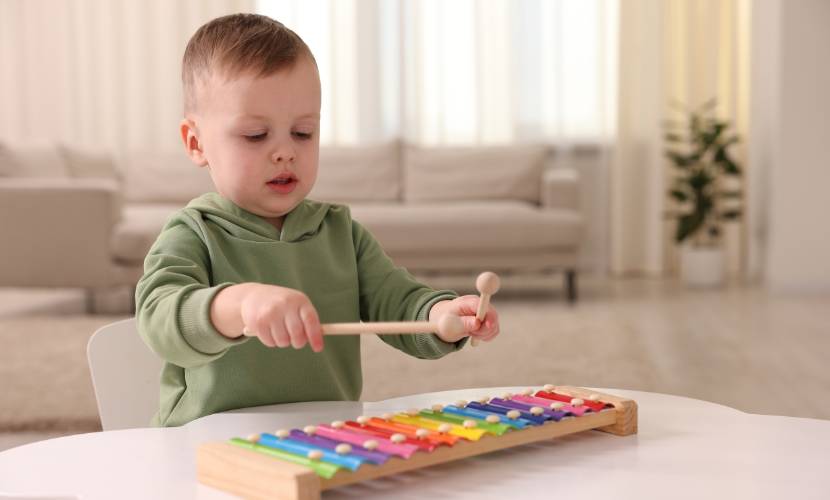
When we ask why nursery rhymes are important for early childhood development, one of the clearest answers lies in brain development.
1. Memory Strengthening
Repetition strengthens neural pathways. When children sing the same rhyme multiple times, they reinforce recall skills and sequencing abilities.
2. Pattern Recognition
Rhymes introduce predictable patterns. Recognising these patterns helps children anticipate what comes next — a skill closely linked to mathematical reasoning.
3. Auditory Processing
Songs train the brain to distinguish sounds. This early sound discrimination is essential for later reading and spelling skills.
4. Early Problem-Solving
Many rhymes include cause-and-effect themes. For instance, in the nursery rhymes london bridge lyrics, the bridge falls and must be rebuilt. Children begin to grasp simple logical relationships through playful storytelling.
At Number 1 Day Care, we incorporate rhyme-based activities into structured learning sessions, ensuring children benefit cognitively while still enjoying themselves.
Language and Communication Skills
Language flourishes in rhythm.
Nursery rhymes:
- Expand vocabulary
- Improve pronunciation
- Encourage sentence structure awareness
- Strengthen listening skills
When children repeat rhymes aloud, they practise articulation in a relaxed environment. The musical element reduces performance pressure, helping even quieter children participate.
The rhyme and rhythm in nursery rhyme london’s burning make it easier for children to grasp syllables and sound segmentation. This directly supports phonological awareness — one of the strongest predictors of reading success.
Additionally, singing together fosters conversational turn-taking. Children learn to listen, wait, and respond — vital communication foundations.
Social and Emotional Development
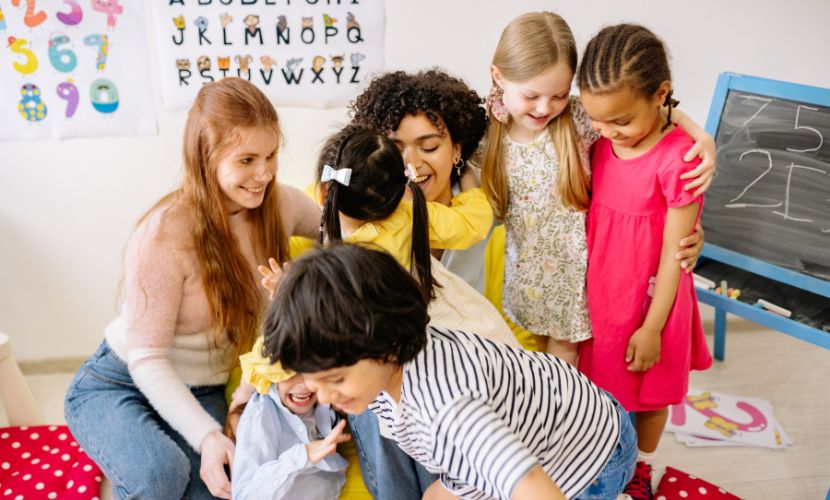
The emotional value of nursery rhymes is often underestimated.
Building Confidence
Successfully remembering and performing a rhyme boosts self-esteem.
Encouraging Belonging
Group singing creates shared experiences. Children feel part of something bigger than themselves.
Managing Emotions
Music regulates mood. Calm rhymes soothe; energetic rhymes release energy.
Songs like the nursery rhymes london bridge lyrics are often paired with interactive games, where children form arches or move in groups. These playful interactions build cooperation, patience and trust.
At Number 1 Day Care, we observe how children who initially hesitate gradually gain confidence through daily singing routines.
Nursery Rhymes in UK Nurseries

In British early years settings, nursery rhymes are not random additions. They are woven into the Early Years Foundation Stage (EYFS) framework because they support key developmental areas.
They are used during:
- Circle time
- Transition moments
- Outdoor play
- Story sessions
- Music and movement activities
If you are exploring early education options in London, you may find this helpful:
👉https://number1daycare.com/what-is-preschool-in-london-and-how-is-it-different-from-nursery/
And if you are wondering whether nursery is beneficial for very young children, this article offers valuable insight:
👉https://number1daycare.com/is-nursery-good-for-2-year-olds-from-a-developmental-perspective/
These resources explain how structured early learning environments — including daily rhyme activities — nurture holistic development.
At Number 1 Day Care, nursery rhymes form part of a balanced curriculum that blends creativity, emotional security and cognitive growth.
FAQ: How Often Should Children Sing Rhymes?
How frequently should nursery rhymes be introduced?
Ideally, daily. Repetition strengthens learning, and short, consistent sessions are more effective than occasional long ones.
Can the same rhyme be repeated too often?
No. Young children thrive on familiarity. Repetition builds mastery and confidence.
Are traditional rhymes still relevant today?
Absolutely. While new songs are wonderful additions, traditional rhymes such as nursery rhyme london’s burning remain powerful because of their rhythmic clarity and cultural richness.
What if my child seems shy during singing?
That is perfectly normal. Many children observe before joining in. Gentle encouragement and consistent exposure usually build participation naturally.
A Gentle Invitation to Experience It First-Hand
Understanding why nursery rhymes are important for early childhood development becomes even clearer when you see them in action.
At Number 1 Day Care, singing is not just an activity — it is part of how we build community, confidence and curiosity. Our experienced practitioners create warm, engaging environments where children feel safe to explore language, movement and expression.
We warmly invite you to book a visit. Meet our dedicated staff, explore our thoughtfully designed spaces, and observe the beautiful work happening each day. Seeing children sing together — smiling, confident and connected — speaks louder than any explanation.
Because sometimes, the simplest songs leave the deepest imprint.