
Traditional Nursery Rhymes in the UK
British childhood culture and its lasting educational value
There is something unmistakably comforting about traditional nursery rhymes in Britain. Whether sung in a cosy living room, a bustling classroom, or a sunny nursery garden, these simple verses connect generations.
From the rhythmic repetition of nursery rhyme london’s burning to the familiar storytelling in nursery rhymes london bridge lyrics, these songs form part of the cultural fabric of childhood in the UK.
But beyond nostalgia, traditional nursery rhymes in the UK play a powerful educational role. They support language, cognitive development, emotional resilience and social skills — all through playful, memorable experiences.
In this article, we explore how these timeless rhymes continue to shape early education and why they remain central in high-quality nurseries such as Number 1 Day Care.
What Are Traditional Nursery Rhymes?
Traditional nursery rhymes are short poems or songs passed down through generations. Many date back centuries and reflect elements of British history, folklore and daily life.
They are characterised by:
- Strong rhythm and rhyme
- Simple, repetitive language
- Narrative storytelling
- Often, accompanying actions or games
Rhymes such as nursery rhyme london’s burning are easy to learn because of their repetitive melodic structure. Meanwhile, the well-known nursery rhymes london bridge lyrics introduce cause-and-effect storytelling through playful imagery.
These characteristics are not accidental — they are precisely what make nursery rhymes so effective in early childhood learning.
Popular UK Nursery Rhymes Explained
Let us look more closely at two of the most recognised examples.
1. Nursery Rhyme London’s Burning
The nursery rhyme london’s burning (often sung in a round) introduces children to musical layering and cooperative singing. Its structure allows groups to sing different lines simultaneously, promoting listening and timing skills.
While historically linked to the Great Fire of London, children experience it primarily as a rhythmic and engaging melody. The repetition strengthens memory and attention.
2. Nursery Rhymes London Bridge Lyrics
The nursery rhymes london bridge lyrics describe a bridge falling and being rebuilt with different materials. For children, this introduces early concepts of problem-solving and resilience.
In nursery settings, this rhyme is often paired with a physical game where two children form an arch while others walk underneath. This playful interaction builds social cooperation and turn-taking.
These examples illustrate how cultural tradition blends seamlessly with developmental learning.
Why Tradition Matters in Early Education

In a world filled with digital distractions, traditional nursery rhymes offer something refreshingly simple — human connection.
Cultural Identity
Children raised in the UK benefit from understanding traditional rhymes as part of their cultural heritage. These songs create a sense of belonging and continuity.
Predictability and Security
Young children thrive on repetition. Familiar rhymes provide emotional reassurance and stability within daily routines.
Oral Language Foundations
Before children can read, they must develop listening and speaking skills. Traditional rhymes enhance phonological awareness, rhythm recognition and articulation.
By maintaining traditional songs in early education, nurseries reinforce both cultural literacy and developmental milestones.
How Nurseries Use Rhymes for Learning
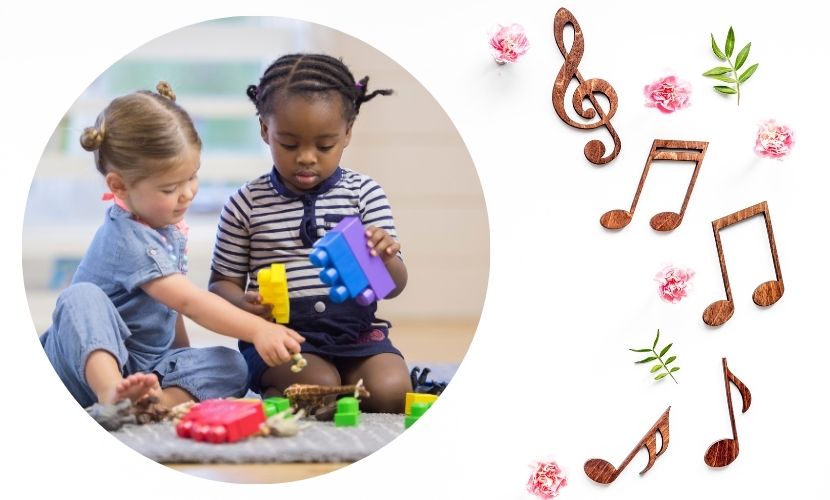
In high-quality early years settings, nursery rhymes are used intentionally, not randomly.
They support:
- Phonemic awareness
- Vocabulary growth
- Memory retention
- Social interaction
- Emotional regulation
At Number 1 Day Care, rhymes are integrated into circle time, movement sessions and transition periods throughout the day. Children engage with language through song before they even realise they are learning.
If you are currently exploring childcare options, this guide may help you evaluate important factors such as services and value:
👉https://number1daycare.com/choosing-the-ideal-daycare-prices-services-and-convenience/
And if you are unsure what type of childcare best suits your child’s needs, this article provides clarity:
👉https://number1daycare.com/what-type-of-daycare-is-best/
Choosing the right nursery means finding a place where learning feels joyful, structured and nurturing — not forced.
At Number 1 Day Care, we believe traditional nursery rhymes in the UK are part of a balanced curriculum that combines creativity, emotional security and cognitive growth.
Our experienced practitioners create warm environments where children feel confident expressing themselves. Through daily singing, storytelling and interactive play, we help children develop strong foundations for lifelong learning.
We warmly invite you to book a visit to Number 1 Day Care. Come and explore our thoughtfully designed spaces, meet our caring team and see first-hand the beautiful work happening with the children each day.
FAQ: Are Traditional Rhymes Still Relevant?
Are traditional nursery rhymes outdated?
Not at all. While modern songs can complement learning, traditional rhymes remain highly effective due to their rhythmic clarity and generational familiarity.
Do children benefit more from traditional or modern songs?
Both can be valuable. However, traditional nursery rhymes have stood the test of time because their structure naturally supports language and memory development.
Can nursery rhymes support school readiness?
Yes. The listening, repetition and phonological skills gained through rhymes directly support early literacy and classroom participation.
How often should rhymes be used in nurseries?
Ideally every day. Short, consistent sessions reinforce learning far more effectively than occasional exposure. Traditional nursery rhymes in the UK are more than charming relics of the past. They are living tools of education — shaping minds, strengthening communities and building confident learners.