
Bilingual Saturday activities in London can bring a second language to life through songs, stories and play. But what does that look like for a three-year-old on a Saturday morning? Here is a typical weekend routine that parents can picture and children can look forward to. Activities and timings vary by provider, so check the details of your chosen session.
What Bilingual Saturday Activities Mean in Practice
A bilingual Saturday Club weaves Spanish and English through the whole morning. Children hear both languages during songs, instructions, stories and play. Through repetition and context, they connect words with the things they are doing. There is no need to turn every activity into a formal language lesson.
For children who attend a bilingual nursery during the week, Saturday sessions reinforce familiar vocabulary and rhythms. Meanwhile, children with little exposure to a second language gain a regular opportunity to hear and use it.
A Typical Routine for Bilingual Saturday Activities in London
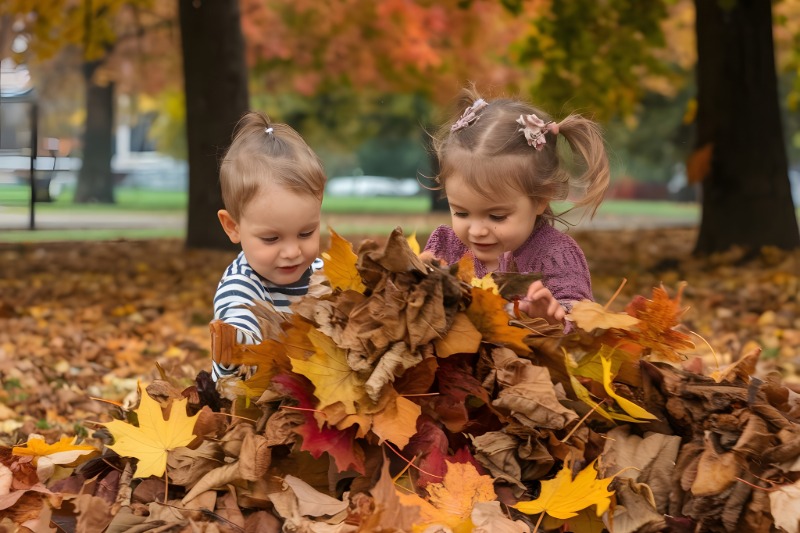
Each provider organises the morning slightly differently. However, a well-designed session often includes the following stages:
- Welcome and free play. Children arrive, settle in and explore familiar toys with their peers. Staff greet each family individually, often moving naturally between English and Spanish.
- Circle time with songs. Children join in with songs in both languages. Familiar songs offer a reassuring “I know this one” moment early in the session.
- A themed activity. Art, sensory play or simple science gives children something practical to explore. Staff use both languages to describe materials and actions, linking vocabulary to the activity.
- Outdoor or physical play. Weather permitting, children can enjoy movement games outdoors. Gestures and context help them understand new words while they move.
- Story time. Staff may read a bilingual picture book in one language, then revisit it in the other. Pictures help children follow the story.
- Snack and wind-down. Quieter activities give children time to settle before pickup.
Together, these bilingual Saturday activities in London combine songs, themed play, movement and stories. English and Spanish form part of the whole experience, giving children repeated opportunities to hear language in context.
Why the Order of Activities Matters
The sequence gives the session a rhythm. Songs and physical play can fit earlier or midway through the morning, when children are ready to engage. Later, stories and snack time offer a calmer pace before going home.
This balance also creates relaxed opportunities to revisit new vocabulary. For example, a word used in an active game can return in a story. Children can hear it again without pressure to perform or remember everything at once.
Why Bilingual Exposure Works Well in a Small Group
In a small group, children can hear a word, see what it refers to and try saying it in a relaxed social setting. Staff also have more opportunities to notice who needs help. If a child looks unsure, an adult can repeat a phrase in both languages or add a gesture.
Similarly, staff can respond to the language a child feels most comfortable using that day. This flexibility helps children take part while they build confidence with unfamiliar words.
What Parents Can Expect to See at Home

Parents may notice small signs that the session has stayed with their child. For instance, a child might hum a Spanish song from circle time. They may use a word for an object from a themed activity or greet someone in both languages without a prompt.
These moments do not mean a child is fluent. Instead, they can show that familiar words and sounds are becoming part of everyday play. Each child responds at their own pace, so look for enjoyment and growing familiarity rather than immediate results.
Frequently Asked Questions
Does my child need to speak Spanish before joining?
No. Bilingual sessions can welcome children who have never heard the second language as well as those learning it during the week. Ask the provider how staff support beginners.
Will the whole session be in Spanish?
A bilingual club uses a mix of English and Spanish throughout the session. Rather than keeping each language in a separate block, staff can use both during songs, play and everyday instructions.
How long is a typical Saturday session?
This varies by provider. Some offer a morning session, while others have longer half-day options. Contact the nursery for its current Saturday timetable.
Do activities change each week or repeat?
Providers often rotate themes while keeping a familiar structure. As a result, children enjoy new activities within a recognisable routine of welcome, songs, play and stories.
Do siblings of different ages do the same activities?
Activities are usually adapted for different ages, even within the same session. Younger and older children can explore the same theme in ways that suit their stage. Confirm the arrangements with the provider.
See Bilingual Saturday Activities for Yourself
A visit can help you picture how bilingual Saturday activities in London might suit your child. Explore our Saturday Club and book a visit to discuss a typical session. You can also message us using the WhatsApp button on the site.